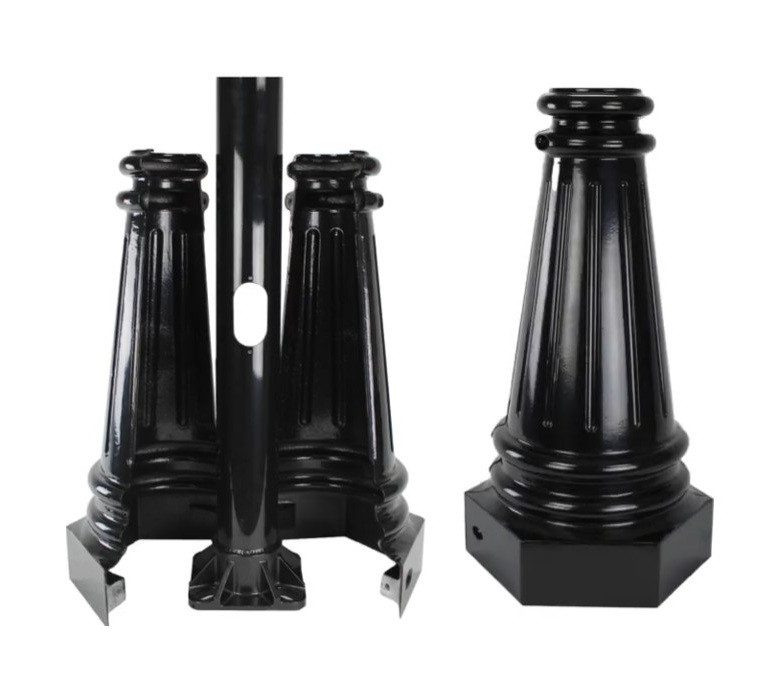
Commercial decorative light poles provide lighting solutions for walkways, streetscape lighting, retail developments, campuses, and mixed-use properties that add an aesthetic appeal.
In this article, we explore how decorative commercial outdoor lighting is used in walkways and high-traffic areas to help property owners and developers enhance safety while maintaining a cohesive visual design.
Why Decorative Light Poles Matter in Commercial Outdoor Spaces.
Lighting is about more than visibility. Decorative light poles contribute to branding and curb appeal while helping to shape visitor perception and property experience. They help to create a welcoming environment that is attractive to residents and visitors alike.
Additionally, they support safety in high-traffic areas. Improved visibility for pedestrians and vehicles supports safer movement through commercial properties. Reduced dark zones around pathways and entrances is another safety enhancement.
They also help to create a consistent design across properties. Lighting infrastructure can match or complement an area's architectural style. Visual consistency can be maintained across multi-building developments.
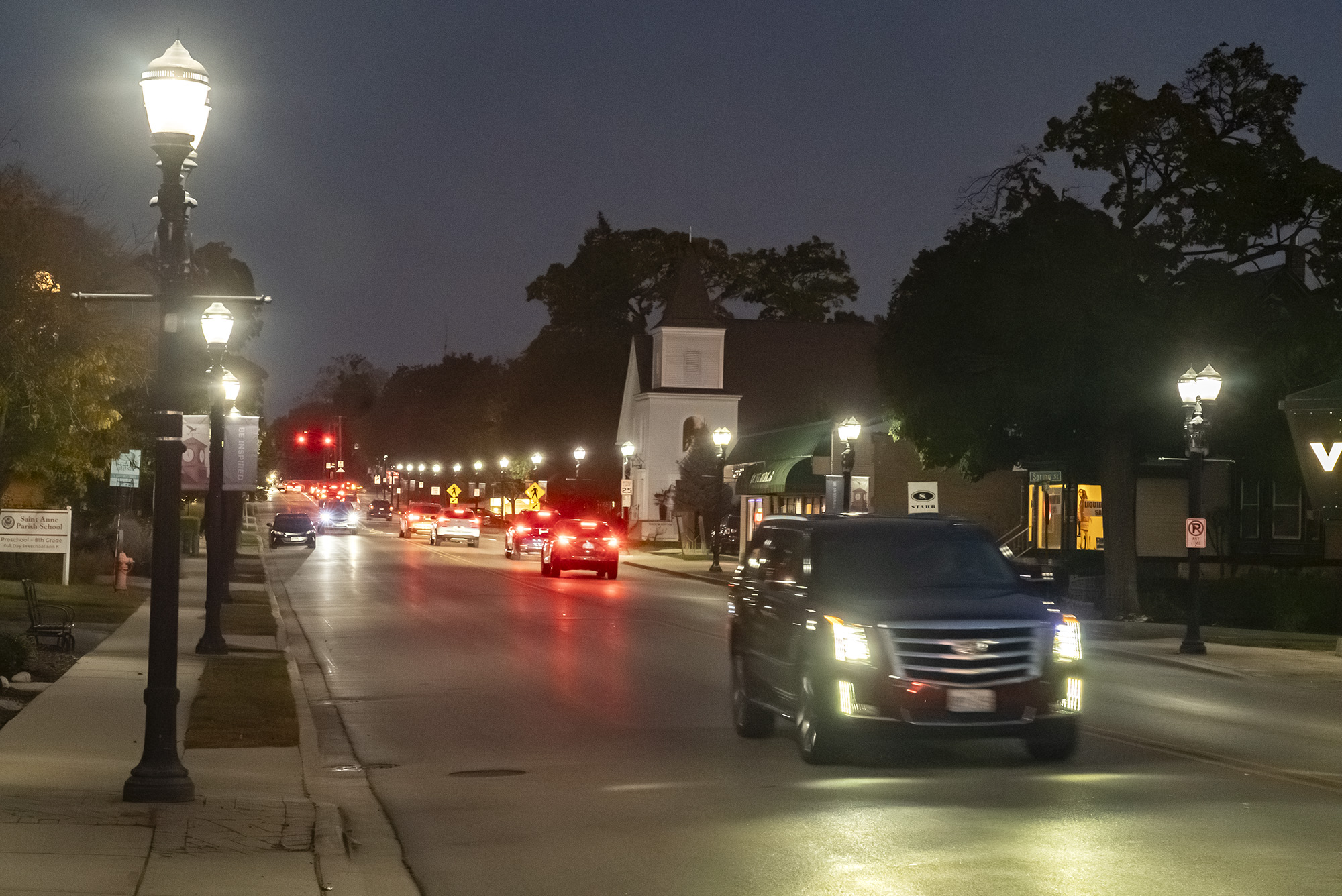
What are Common Applications for Decorative Light Poles?
Streetscapes and Downtown Areas
- They enhance public-facing commercial corridors.
- They create visually cohesive municipal environments.
- They support walkability and nighttime visibility.
Commercial Walkways and Pedestrian Paths
- They illuminate pathways between buildings, parking areas, and entrances.
- They improve safety while maintaining aesthetic appeal.
Mixed-Use Developments and Retail Centers
- They add to quality outdoor experiences.
- They reinforce architectural identity across shopping and dining environments.
Campuses, Parks, and Public Spaces
- They provide decorative lighting for gathering areas and pedestrian zones.
How Does Project Type Influence Pole Selection?
For street and roadway applications, anchor base decorative poles are commonly used. Their concrete bases provide improved structural stability for taller pole applications. They are also easier to replace than direct burial installations. This is because there is no excavation required. You only need to unfasten the old pole from the base and then fasten its replacement. This is ideal for busy municipal and commercial settings.
For walkway applications, direct burial or anchor base poles can be used. The choice will depend on certain factors:
- Direct burial decorative poles are common in parks, trails, and pedestrian-focused spaces. They are quicker to install than anchor base poles and are ideal for pedestrian pathways and landscaped areas. They also possess cleaner aesthetics due to less visible hardware. Soil conditions will determine the feasibility of a direct-burial installation.
- Anchor base decorative poles are common in commercial developments and high-traffic environments. They are ideal when easier access or future replacement is important.
How Do You Balance Safety Requirements with Aesthetic Goals?
Safety requirements are typically determined at the state and local level. You’ll want to understand the codes and standards for the location of an installation, as well as wind load requirements.
Lighting design must support both form and function. Decorative poles enhance a space's aesthetics, but they still need to deliver effective illumination. The right combination of spacing, pole height, and fixture output is needed for proper illumination.
What Are Common Lighting Design Mistakes Made with Decorative Light Poles?
Common design mistakes include:
- Prioritizing appearance over lighting performance
- Inconsistent pole styles across properties
- Underlighting pedestrian pathways or roadways
- Installing poles that are unable to safely withstand environmental conditions
- Overloading poles with more components than their wind load capacity can handle
How Do Decorative Light Poles Improve Existing Properties?
Lighting design must support property value. Decorative lighting should be part of a long-term property improvement strategy that enhances the tenant and visitor experience.
- Upgrade aging outdoor lighting infrastructure by replacing outdated utility-style poles. This allows you to modernize commercial properties without major redesigns.
- Improve visual consistency across expanding properties by standardizing decorative lighting across multiple buildings or campuses
- Enhance nighttime appearance and visibility by improving curb appeal after dark. This makes properties feel safer and more inviting.
Decorative Light Pole Materials and Performance
Decorative light poles are generally made from steel or aluminum. Each material has its benefits and shortcomings.
Decorative aluminum light poles are lightweight, which makes them easier to install than steel light poles. They are also resistant to corrosion, easier to maintain, and have a longer lifespan. They are popular for pedestrian-focused and coastal environments.
Decorative steel light poles are stronger and more durable than aluminum light poles, which means that they can more safely handle wind load requirements. They are more economical but have a shorter lifespan and are not as corrosion-resistant. They are ideal for roadways and larger commercial applications.
How LightMart Supports Decorative Commercial Lighting Projects
LightMart has a variety of decorative light pole solutions for streets and walkways, with a wide selection of decorative styles and configurations. These solutions are great for both new construction and upgrades. Anchor base and direct burial options are available.
Our decorative light pole kits provide turnkey decorative lighting solutions that include compatible fixtures and mounting configurations. This saves you from sourcing components separately and ensures compatibility.
We provide support for developers, property owners, and architects. This includes guidance during planning and specification, as well as assistance in matching lighting to project goals and environment. Contact us today!
FAQs
What are decorative light poles used for?
Outdoor decorative light poles are used for outdoor illumination and add an aesthetic appeal to roadways, walkways, and parks.
What is the difference between anchor base and direct burial decorative poles?
Anchor base poles are mounted on top of a concrete base, whereas direct burial poles are partially inserted into a hole in the ground and then backfilled.
Which is better for walkways: direct burial or anchor base poles?
Direct burial decorative walkway light poles are generally the choice here. They are quicker to install than anchor base poles and are ideal for pedestrian area lighting and landscaped areas. They also possess cleaner aesthetics due to less visible hardware.
What materials are decorative light poles made from?
Decorative light poles are generally made from steel or aluminum. Steel poles are economical, strong, and durable, whereas aluminum poles are easier to install, corrosion-resistant, and longer lasting.
David DeWald is the E-Commerce Marketing Specialist at LightMart. He has been working in the industrial and commercial lighting industry since 2013 and is based in the greater Chicago area. David specializes in digital product management, web content writing, and product marketing. He regularly publishes lighting industry-related articles on the LightMart blog. You can visit his LinkedIn profile here.