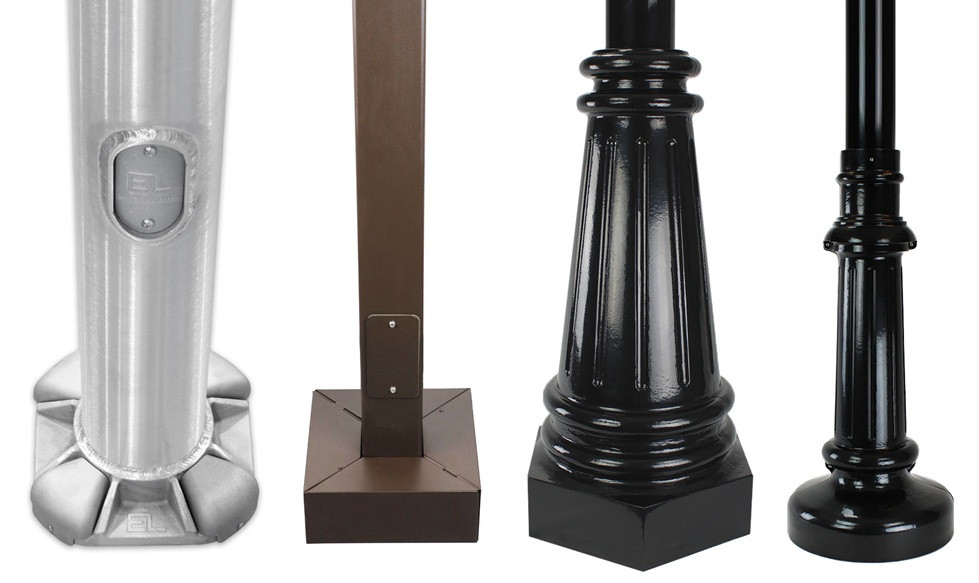
When selecting light poles for an outdoor lighting project, sometimes you need to strike a careful balance between utility and aesthetics, depending on the environment and application of the installation.
As commercial developments, municipal spaces, and mixed-use properties continue to prioritize both functionality and visual appeal, selecting the right light pole has become an important part of overall site planning. Choosing between decorative and standard light poles affects not only lighting performance but also aesthetic appeal, project cost, long-term maintenance, and the extent to which the lighting infrastructure aligns with the surrounding environment.
This article will compare decorative and standard light poles across key factors such as appearance, durability, application fit, installation considerations, and budget. It will help developers, engineers, architects, contractors, and property owners determine when decorative poles are worth the investment and when standard steel or aluminum poles provide a more practical solution.
What is the difference between decorative light poles and standard light poles?
Decorative light poles prioritize aesthetics and architectural integration, while standard light poles focus primarily on functionality, durability, and cost efficiency. Project goals influence which option is more appropriate.
Decorative light poles have features that include fluting, curved arms, ornamental bases, and banner mounts. These features are designed to add to the character of a space and are more likely to be customized for a given project. Typical uses for these poles include pedestrian areas, downtown streetscape lighting, mixed-use developments, retail centers, parks, and campuses. These are areas that prioritize aesthetics as much as illumination. They are usually made from aluminum or fiberglass.
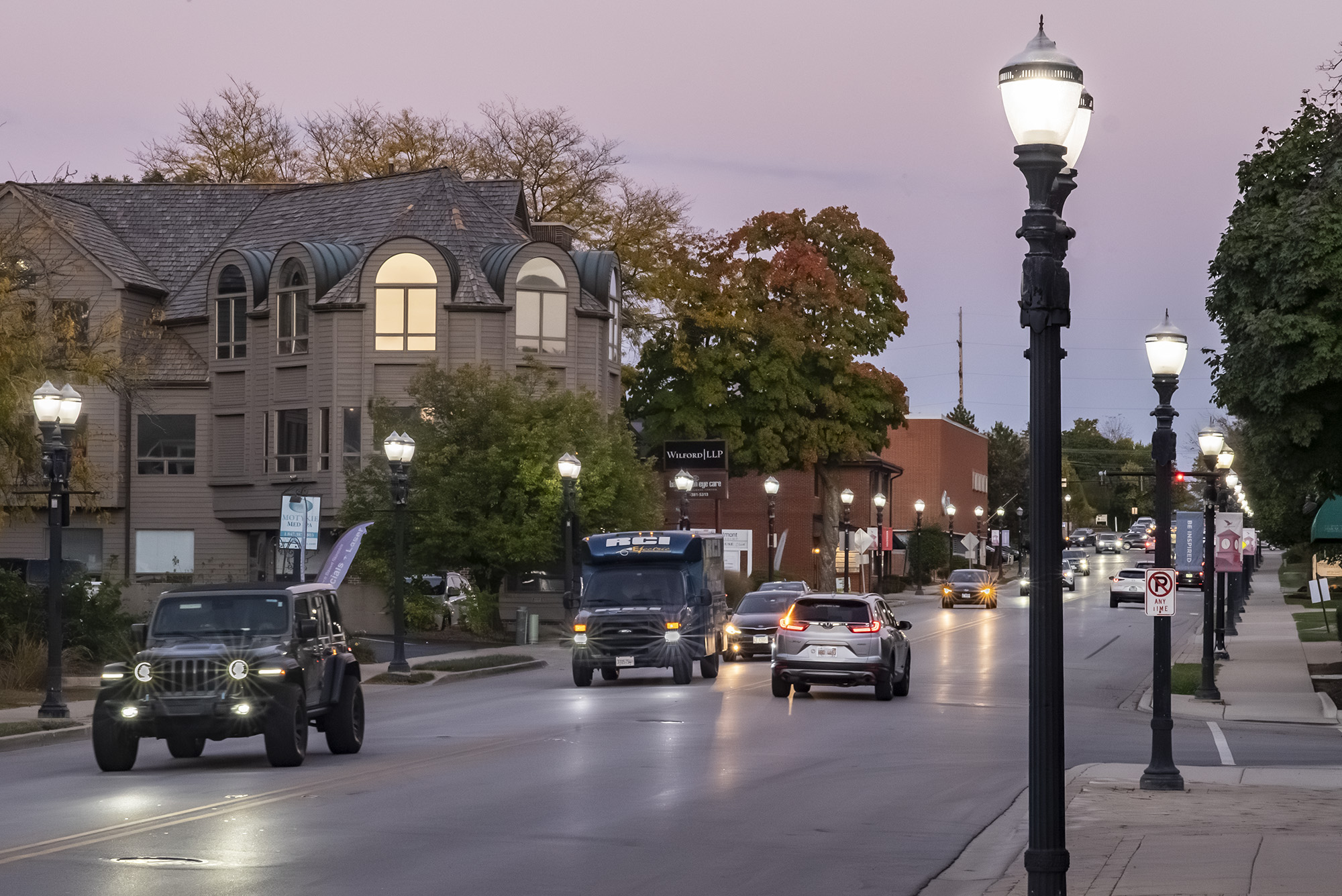
Standard light poles have simple shapes and mounting schemes. These designs simplify installation and reduce upfront project costs. Durability, performance, and cost-effectiveness are the priorities here. Typical uses for these poles include parking lots, industrial facilities, highways, warehouses, logistics centers, sports complexes, and commercial properties. They are usually made from steel or aluminum.
How do project goals impact decorative vs standard pole selection?
Developers, engineers, architects, and property owners prioritize lighting infrastructure differently depending on the project environment. Aesthetics, lighting performance, maintenance expectations, long-term durability, and scalability all influence pole selection.
Decorative and standard poles are complementary solutions rather than competing products. Often, both types of poles are used in the same project. For example, decorative poles are used in pedestrian-facing areas, while standard poles are used in parking lots and on service roads. In this example, cost and aesthetics are balanced while achieving consistent lighting performance.
How does environment influence the right light pole choice?
Environmental conditions such as coastal exposure, moisture, wind loads, urban settings, and public-facing environments affect pole material and design selection. Relatively harsh environments will demand that light pole infrastructure can withstand the conditions, regardless of its appearance.
Steel light poles provide the most strength for safely handling wind loads and components mounted on them, but are not as corrosion-resistant as aluminum or fiberglass light poles, which have longer lifespans.
What are the budget tradeoffs between decorative and standard light poles?
Decorative light poles have a higher initial purchase price and ongoing maintenance costs compared to standard light poles because they typically have attributes that include custom finishes, ornamental features, and additional mounting components.
Standard poles can provide a more economical solution for large-scale deployments. In contrast, decorative light poles enhance the aesthetic appeal in areas like campuses, parks, shopping districts, and pedestrian walkways. This appeal adds value to an area that wants to attract retail customers, tourists, and property owners.
How do installation requirements differ between decorative and standard poles?
Standard light poles have a simpler installation process compared to decorative light poles. Their foundation designs are mostly based on fixture weight, pole height, and wind load capacity. This means that their installations are more straightforward and less time-consuming. Steel light poles add to installation complexity because they are heavier than aluminum light poles. This means that they require more equipment and labor.
Decorative light pole installations are typically more complex. This is due to having heavier bases and likely more specialized mounting features. Pole placement is also more complex. They require visual consistency, as well as functional positioning.
What role do pole materials play in performance and appearance?
Material selection impacts both structural performance and architectural presentation. Steel poles are often preferred for maximum strength and utility-focused applications, while aluminum poles are valued for corrosion resistance and lighter-weight installations. That said, decorative aluminum poles can still provide long-term durability in demanding outdoor environments.
What are the most common mistakes when selecting decorative or standard light poles?
Poor alignment between lighting infrastructure and project goals can negatively impact appearance, functionality, and long-term project costs.
Common mistakes made when selecting decorative or standard light poles include:
- Prioritizing aesthetics without considering lighting performance
- Underestimating environmental conditions
- Selecting utility light poles for highly visible architectural environments
How does LightMart help customers choose the right light pole solution?
LightMart is a one-stop provider for decorative and standard outdoor commercial light poles.
LightMart supports developers, engineers, architects, contractors, and property owners during specification, planning, and installation. We can help select the type of light poles needed for your application.
LightMart has a wide selection of decorative poles, standard poles, and turnkey lighting solutions. We also offer Quick-Ship solutions that are in stock and ready to ship to your jobsite.
Contact us today!
David DeWald is the E-Commerce Marketing Specialist at LightMart. He has been working in the industrial and commercial lighting industry since 2013 and is based in the greater Chicago area. David specializes in digital product management, web content writing, and product marketing. He regularly publishes lighting industry-related articles on the LightMart blog. You can visit his LinkedIn profile here.