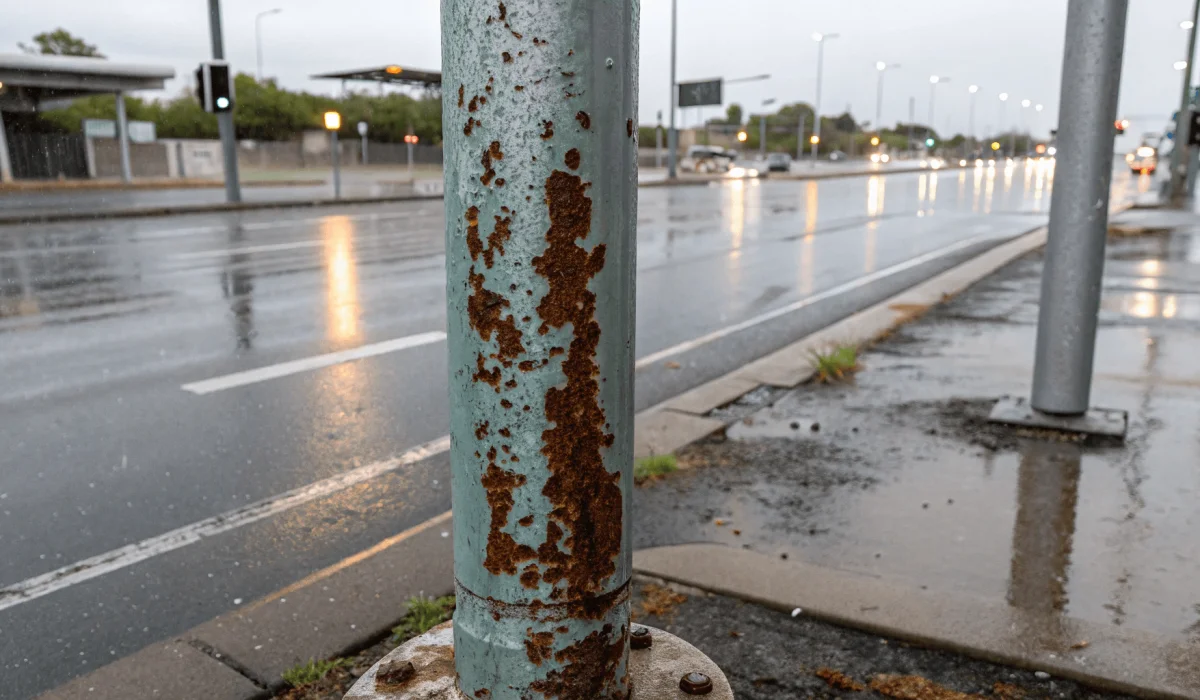
Corrosion is a common problem that affects metal light poles. It’s more severe in some areas than in others. If it isn’t addressed promptly, it can cause serious safety issues and create a hazardous environment.
Facility managers and municipalities overseeing properties in coastal or high-corrosion locations often need to replace light pole infrastructure frequently. These locations include:
- Marinas
- Industrial sites with airborne pollutants
- Water treatment plants
- Refineries
- Coastal locations exposed to saltwater
Protective coatings and regular maintenance can delay corrosion in these environments, but if poles need replacing more often than expected, the base material may not be suited to the environment.
Fiberglass light poles could solve these problems. Unlike conventional steel and aluminum poles, fiberglass poles aren't metal, so they don’t rust or corrode. This makes them especially useful in coastal and high-corrosion environments.
This article explains why traditional materials underperform in these conditions and how fiberglass solves the problem structurally, not cosmetically.
The Science of Corrosion
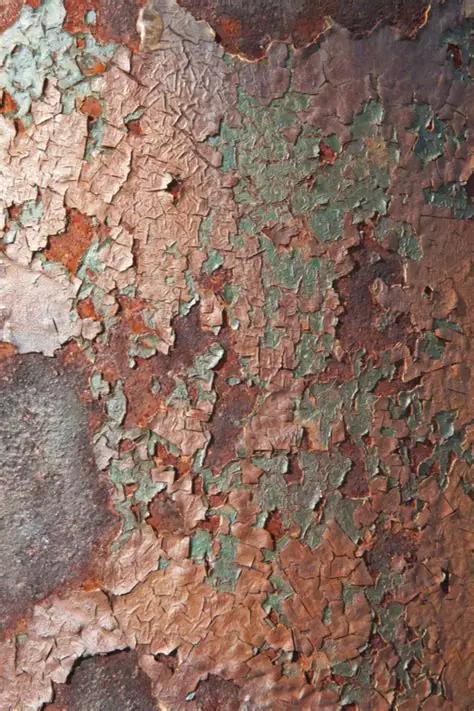
Corrosion is a naturally occurring, diffusion-controlled process that occurs on exposed surfaces. It transforms a processed metal into a more chemically stable oxide. It is defined as the gradual deterioration of a substance (usually metal) by chemical or electrochemical reactions with its environment.
Most metals oxidize easily. They tend to lose electrons to oxygen in air or water. As oxygen gains electrons (is reduced), it forms an oxide with the metal.
Most common corrosion types result from electrochemical reactions. General corrosion occurs when most (or all) of the atoms on a metal surface are oxidized. This damages the entire surface. Corrosion can also concentrate locally, forming a pit or crack.
Common factors that contribute to corrosion include moisture, salt, and air pollutants.
It’s important to note that rust is a form of corrosion, and corrosion is a form of oxidation. All rust is corrosion, but not all corrosion is rust.
Why Steel and Aluminum Struggle in Coastal and High-Corrosion Environments
Salt air, humidity, and exposure to industrial chemicals accelerate the oxidation of steel and aluminum poles. Even galvanized or powder-coated poles are affected because their protective coatings degrade more quickly in these conditions.
Corrosion typically begins at the base and inside the pole, hidden from routine visual inspection, making early detection difficult.
Regarding metal light pole material comparisons, aluminum poles are better suited than steel for high-corrosion environments. Aluminum doesn't rust, but it does corrode. Aluminum's oxide coating is highly resistant and self-renewing if damaged. This keeps it relatively safe from corrosion. However, certain factors can destabilize the coating and expose the metal of these corrosion-resistant light poles.
Recurring maintenance failures in high-corrosion environments often stem from a material mismatch rather than workmanship. That’s where fiberglass becomes a viable alternative.
Why Fiberglass Poles are the Best Option for Coastal and High-Corrosion Areas in Most Cases
Fiberglass poles have two primary components: fiberglass and resin. Manufacturers produce fiberglass cords by winding fiberglass strands together. The cords are dipped into a polyester resin bath, then wrapped around a mandrel. The pole is then powder-coated or painted.
Unlike steel and aluminum poles, fiberglass poles don’t corrode. They resist many corrosive chemicals and salt spray. This makes them especially suitable for ports, marinas, coastal areas, wastewater facilities, and refineries.
This corrosion resistance also reduces maintenance time and costs. Fiberglass poles require less coating maintenance and fewer inspections than steel or aluminum poles. This is a plus for installations in remote or hard-to-access locations.
Other benefits of fiberglass poles include:
- Non-conductivity – Unlike metal poles, fiberglass poles do not conduct electricity, which is an advantage when installed near electrical infrastructure.
- Easy installation – Fiberglass poles are lightweight, especially when compared to steel poles. This makes them easier and cheaper to transport, handle, and install.
- Vibration resistant – Fiberglass poles are resistant to harmonic vibration. This type of vibration occurs when high wind gusts cause the top of the pole to sway, which in turn stresses the pole’s base.
- Direct burial installations – Corrosion resistance is as much a factor below ground as above it. With direct burial light poles, a section of the pole is installed below grade. Minerals and groundwater can quickly corrode this section if the pole material isn't designed to handle it. This is why fiberglass poles are ideal for this type of installation.
Is Fiberglass Strong Enough to Replace Steel or Aluminum?
We’ve established that fiberglass poles resist corrosion better than steel or aluminum poles. It’s also important to consider not only the light pole's corrosion resistance but also its components, including the pole shaft, base plate, welded connections, and anchor bolts.
Another thing to consider before selecting fiberglass poles for your outdoor lighting project is whether they are strong enough to support the equipment mounted on them and can safely handle the winds in the environment where they're installed.
Fiberglass can be strong enough to replace steel or aluminum poles if the pole is engineered for its specific application. The best way to verify a light pole’s ability to meet load requirements and local wind conditions is to consult its EPA table, which should be included in the manufacturer’s specification sheet.
When you select light fixtures that will adequately illuminate an area at a suitable mounting height, you select a light pole based on that information. Then you must compare the fixture's Effective Projected Area (EPA), along with any mounting brackets, with the pole’s associated EPA tables to determine whether the pole assembly has adequate structural capacity. This evaluation should be done for all light pole types, regardless of material.
Comparing Lifetime Cost, Not Just Purchase Price
Of the three primary light pole material types, fiberglass is the most expensive upfront but more cost-effective in the long term, especially in coastal and high-corrosion areas. Steel and aluminum may have a lower upfront cost but higher lifecycle cost in corrosive sites.
Frequent replacement cycles increase labor, downtime, and disposal costs. Fiberglass’s longer service life in these environments reduces total cost of ownership over time. Reduced maintenance and replacement costs make the investment worthwhile.
Deciding Between Repair, Retrofit, and Full Replacement
If you are experiencing corrosion-related issues with your light pole infrastructure, you’ll need to decide on a corrective course of action. Your decision will depend on the extent of the corrosion and how often you'll need to replace it.
- Repair may be viable if corrosion is surface-level and structural integrity is intact.
- Retrofit makes sense when the layout and mounting still meet project needs.
- Full replacement is the better option when corrosion is recurring, structural, or tied to the base material itself.
Sites with a documented pattern of repeat corrosion are strong candidates for a material change, not another repair cycle.
How LightMart Supports Coastal and High-Corrosion Pole Projects
For coastal and high-corrosion sites, fiberglass light poles are the best choice when ease of installation, corrosion resistance, reduced maintenance, and long-term reliability matter more than minimizing the initial purchase price.
LightMart offers product selection assistance for capital planning and infrastructure replacement programs. This includes guidance comparing direct burial vs anchor base installations for a given site.
We also support evaluating whether a corrosion pattern points to repair, retrofit, or replacement.
LightMart offers a selection of fiberglass poles to meet any project needs.
Need it fast? We also have quick-ship fiberglass poles in stock and ready to ship. Our quick-ship light pole selection includes all three pole materials.
Contact us today!
FAQs
Why do my light poles keep corroding even after repainting or recoating?
The poles are likely installed in a coastal or high-corrosion area. Regular maintenance may not prevent corrosion, and the problem may be due to the pole’s material.
Is fiberglass a good structural substitute for steel and aluminum poles?
Fiberglass can be strong enough to replace steel or aluminum poles if the pole is engineered for its specific application. The best way to verify a light pole’s ability to meet load requirements and local wind conditions is to consult its EPA table, which should be included in the manufacturer’s specification sheet.
How long do fiberglass poles typically last in coastal or marine environments?
This depends on how harsh the environment is, but a fiberglass pole typically lasts 30 to 40 years.
Can a direct burial fiberglass pole be installed without a concrete foundation?
Yes. With direct burial installation, a section of the pole is installed below grade and then backfilled. No concrete foundation or anchor bolts are required. Proper soil conditions will determine if this type of installation is feasible.
What are the drawbacks of direct-burial mounting compared to anchor base?
Direct burial poles are more difficult and costly to replace than anchor base poles. You must dig up the ground around the pole to remove it, then backfill around the replacement. An anchor base pole simply needs to be unfastened from its concrete foundation, and then the replacement pole is fastened back in.
How do I know if my corrosion problem is a material issue rather than a maintenance issue?
Recurring maintenance failures in high-corrosion environments often stem from a material mismatch rather than workmanship. That’s where fiberglass becomes a viable alternative.
Are fiberglass poles suitable for industrial or chemical-exposure sites, not just coastal ones?
Yes. They resist many types of corrosive chemicals.
What should I look for when planning a pole replacement budget for a high-corrosion site?
You should focus on lifetime cost, not just purchase price. Of the three primary light pole material types, fiberglass is the most expensive upfront but more cost-effective over time, especially in coastal and high-corrosion areas. Steel and aluminum may have a lower upfront cost but higher lifecycle cost in corrosive sites.
Coastal light poles
Steel pole corrosion
Aluminum pole corrosion
Long-term pole replacement cost